


EV Owners with Solar Batteries: Avoid This Costly Charging Habit
- Mar 16
- 4 min read
Electric vehicles are becoming a common sight across Australian driveways. At the same time, more homeowners are installing rooftop solar and battery systems to reduce energy bills and rely less on the grid.
It sounds like the perfect combination—clean solar energy powering your car and your home. But many homeowners unknowingly make one simple mistake that can drain their battery storage faster than expected and increase electricity costs.
If you own an EV and a solar battery system, understanding how and when you charge your vehicle can make a big difference.
Why EV Charging Can Drain Your Solar Battery
Most home battery systems are designed to power household appliances during the evening when solar panels are no longer producing electricity. They store excess solar energy generated during the day and release it later when the home needs it.
An electric vehicle, however, uses a significant amount of power when charging. A typical EV may require 40–60 kWh for a full charge. By comparison, many residential battery systems store around 10–15 kWh of usable energy.
What this means in practice is simple:
Your EV can easily consume the entire capacity of your home battery in a single charging session.
If the vehicle begins charging at night, it may start drawing energy directly from the stored battery supply instead of the grid. While this might seem efficient, it often leaves the house without backup energy for the rest of the evening.
The Costly Charging Habit Many Homeowners Have
One of the most common habits among EV owners is plugging the car in immediately after arriving home in the evening.
This makes sense from a convenience standpoint. But when your solar panels are no longer generating electricity, the system typically draws power from:
Your home battery first
Then the electricity grid
As a result, your vehicle can rapidly drain the stored solar energy that was meant to power your home overnight.
Once the battery is empty, your household appliances—lighting, air conditioning, cooking, and entertainment—begin pulling power from the grid at peak evening rates.
Over time, this habit can significantly reduce the financial benefits of your solar battery system.
A Smarter Way to Charge Your EV
The most efficient strategy for EV charging is to align charging times with solar production.
Instead of charging overnight, many homeowners find it more cost-effective to charge their vehicle during the middle of the day when solar generation is at its highest.
When charging happens during daylight hours, the vehicle can draw electricity directly from the solar panels rather than relying on stored battery power.
This approach has several advantages:
Uses surplus solar energy that might otherwise be exported to the grid
Protects the stored energy in your battery for evening household use
Reduces reliance on expensive grid electricity
For households with flexible schedules or work-from-home arrangements, daytime charging can make a significant difference.
How a Dedicated EV Charger Helps
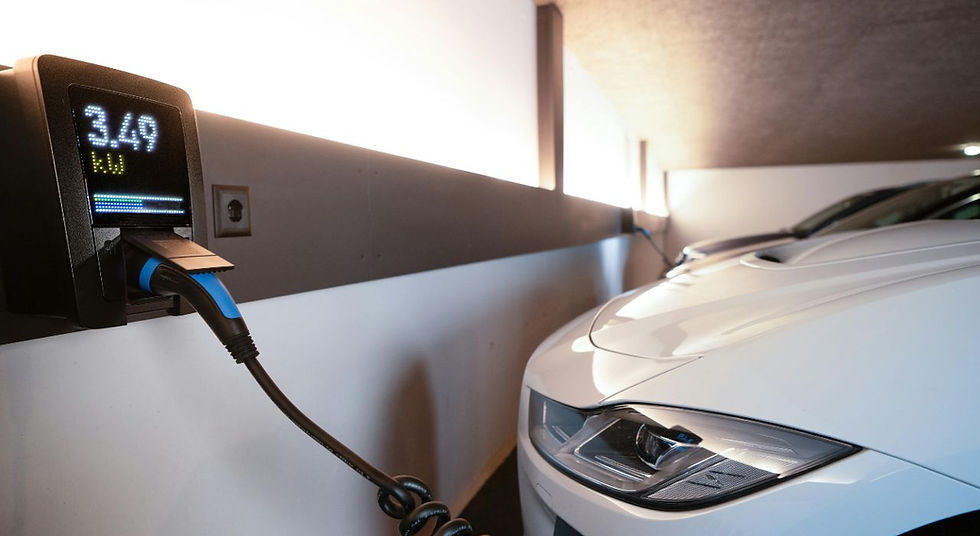
Installing a home EV charger can also help manage energy more efficiently.
Unlike a standard wall outlet, modern chargers often include smart features that allow you to schedule and control when charging takes place.
Many systems allow homeowners to:
Limit charging speed to match solar generation
Monitor energy usage through a mobile app
Prioritise household energy needs before vehicle charging
These features help ensure the vehicle doesn’t unintentionally drain your solar batteries.
Managing Energy in a Solar + EV Home
Homes that combine solar panels, battery storage, and an electric vehicle essentially become small energy ecosystems. Managing energy flow between these systems is key to maximising savings.
A few practical strategies include:
Use Smart Charging Schedules
Setting charging times during late morning or early afternoon helps ensure solar panels are powering the vehicle directly.
Monitor Your Energy Usage
Most solar systems now include monitoring apps that show how electricity flows between solar panels, batteries, and the home. Reviewing this data can help identify inefficient charging patterns.
Adjust Charging Speed
Charging at maximum speed isn't always necessary. Slower charging can allow solar generation to keep up with the vehicle's demand.
Consider Battery Capacity
If you plan to rely heavily on solar power for EV charging, a larger battery system may provide more flexibility for both the home and the vehicle.
When Night Charging Still Makes Sense
There are situations where charging in the evening may still be practical.
For example:
Homes on off-peak electricity tariffs may benefit from lower overnight rates.
Drivers who commute long distances might need their vehicle fully charged by morning.
Some solar systems export excess power during the day, making night charging more convenient.
In these cases, scheduling the charge to start later at night—rather than immediately after arriving home—can help avoid draining the battery during peak household usage hours.
The Future of EV and Home Energy Integration
As electric vehicles become more common across Australia, energy technology is evolving quickly.
New innovations are already improving how EV charging works with solar and battery systems. Some emerging technologies include:
Solar-aware chargers that automatically charge when solar production is high
Energy management systems that coordinate household appliances, batteries, and vehicles
Vehicle-to-home (V2H) technology, where the EV battery can supply energy back to the house
These developments will make it easier for homeowners to balance their energy needs without sacrificing convenience.
Final Thoughts
Electric vehicles and solar battery systems are a powerful combination for reducing energy costs and lowering environmental impact. But how you charge your vehicle matters more than many homeowners realise.
Plugging in your car every evening may feel like the easiest option, yet it can quickly drain the stored solar energy meant to power your home overnight.
By adjusting charging habits, using smart EV chargers, and aligning charging times with solar production, homeowners can protect their battery storage and get the most value from their solar investment.
With a little planning, your solar system, battery, and electric vehicle can work together efficiently—helping your home run cleaner, smarter, and more cost-effectively.


Comments