


How EV Charging Future-Proofs Your Business in 2025 and Beyond
- Oct 10, 2025
- 4 min read
The world is moving fast toward electrification, and Australia is no exception. As electric vehicle (EV) adoption accelerates, businesses are discovering a powerful way to stay ahead of the curve — by investing in commercial EV charger installation.
Whether you own a shopping centre, office building, hospitality venue, or industrial site, integrating EV charging stations is no longer just a “nice-to-have” feature. It’s becoming a smart business strategy to attract customers, tenants, and employees while future-proofing your property for years to come.
In this blog, we’ll explore why EV charging matters in 2025, how it can benefit your business, and what steps you can take to get started.
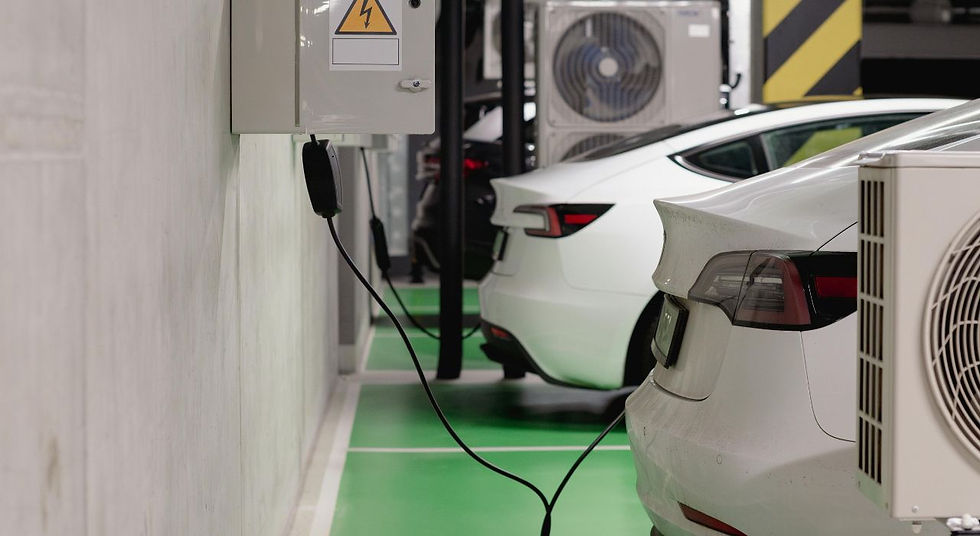
The EV Boom in Australia: Why Businesses Should Pay Attention
Electric vehicle sales in Australia have grown significantly over the past few years, with more models on the market, improved battery ranges, and increasing government support. In 2025, EV ownership is expected to surge even further thanks to:
Rising petrol prices pushing drivers toward more affordable, sustainable transport.
Expanding charging networks across cities and regional areas.
Government incentives that make EVs more accessible.
Strong consumer interest in sustainability.
This rapid growth is creating high demand for public and semi-public charging infrastructure. Businesses that provide charging stations are positioning themselves as leaders in this energy transition — and reaping the rewards.
How EV Charging Future-Proofs Your Business
1. Attracting and Retaining Customers
EV drivers plan their routes around charging availability. Offering charging stations at your property gives customers an added reason to visit — and stay longer. Whether it’s a retail centre, restaurant, or workplace, EV charging can help:
Increase foot traffic.
Encourage repeat visits.
Boost customer loyalty.
2. Increasing Property Value and Appeal
Properties equipped with EV charging infrastructure are more attractive to tenants and buyers. In an evolving real estate market, sustainable and future-ready amenities give you a competitive edge. This added value can also increase lease rates and long-term return on investment.
3. Meeting ESG and Sustainability Goals
Many companies in Australia are working to meet ESG (Environmental, Social, and Governance) targets. Installing EV chargers is a tangible, visible way to reduce carbon emissions and demonstrate a commitment to sustainability. It shows customers, employees, and investors that your business is future-focused and environmentally responsible.
4. Unlocking New Revenue Streams
EV charging stations can generate income through usage fees, loyalty programs, or partnerships with EV networks. Some businesses also bundle charging perks into premium memberships or parking services. Over time, these revenue streams can help offset installation and maintenance costs.
5. Staying Ahead of Regulatory Changes
Australia is steadily moving toward cleaner transport and energy policies. In the future, commercial buildings may face stricter energy standards and sustainability requirements. By installing chargers early, your business is well-positioned to comply with future regulations — avoiding last-minute costs and disruptions.
Understanding Commercial EV Charger Installation
Installing commercial EV chargers involves more than just plugging in a device. It’s a structured process that ensures safety, efficiency, and long-term reliability.
Step 1: Site Assessment
A professional installer evaluates your property’s power capacity, parking layout, and accessibility. This helps determine the right type and number of chargers for your site.
Step 2: Selecting the Right Charger
There are two main types:
AC Chargers (Level 2): Ideal for workplaces, shopping centres, and hospitality venues where vehicles are parked for a few hours.
DC Fast Chargers: Perfect for high-traffic areas where drivers need quick top-ups.
Step 3: Installation and Connection
Once the charger type is decided, electricians handle the installation, grid connection, and compliance checks to meet Australian safety standards.
Step 4: Software Integration
Most commercial chargers come with smart management systems. These allow you to set pricing, monitor energy usage, and offer contactless payments — making it easy to manage your charging network.
Step 5: Maintenance and Monitoring
Regular inspections keep chargers running smoothly and ensure safety. Many providers offer monitoring tools to detect issues early and reduce downtime.
Cost Considerations and Incentives
The cost of commercial EV charger installation in Adelaide depends on factors like charger type, site complexity, and available power supply. On average, AC chargers cost less to install, while DC fast chargers have higher upfront costs but offer faster charging and greater customer convenience.
The good news? Businesses in Australia may be eligible for federal or state incentives, rebates, or tax benefits to reduce installation costs. Programs may vary by state, so it’s smart to check with local authorities or energy providers to see what support is available in 2025.
EV Charging and Brand Reputation
Consumers are becoming more conscious of the brands they support. Companies that invest in sustainable solutions like EV charging often enjoy:
A stronger, greener brand image.
Greater community trust.
Positive media and marketing opportunities.
In a competitive market, being perceived as a forward-thinking, eco-friendly business can make all the difference.
Real-World Example
Imagine a shopping centre installing eight EV charging stations in its car park. Shoppers who drive EVs choose to visit this centre over others because they can charge while they shop. They stay longer, spend more, and return frequently. Meanwhile, the centre earns charging fees and improves its sustainability profile — a win-win scenario that demonstrates how EV charging creates lasting value.
Preparing for the EV-Ready Future
Here are a few practical tips to get started with EV charging at your business:
Assess your site early to avoid delays.
Choose scalable solutions that can grow with demand.
Take advantage of incentives to lower upfront costs.
Promote your charging stations to attract EV drivers.
Partner with experienced installers to ensure safety and compliance.
Conclusion
EV charging isn’t just a passing trend — it’s a key part of Australia’s energy transition. Businesses that invest in commercial EV charger installation today will be the ones leading tomorrow. By enhancing your property’s appeal, meeting sustainability goals, unlocking new revenue opportunities, and preparing for regulatory shifts, you set your business up for long-term success.
The future is electric. The question isn’t if your business should install EV chargers — it’s when. And the smartest time to act is now.


Comments